#10 The Club Foot
Feel very lucky if you are born without disabilities. We are about to tell you a few Birth abnormalities you might have never heard before. The first one is The Club Foot.
This is the defect where the base of the foot is twisted inwardly and a child cannot put his/her foot on the ground properly.

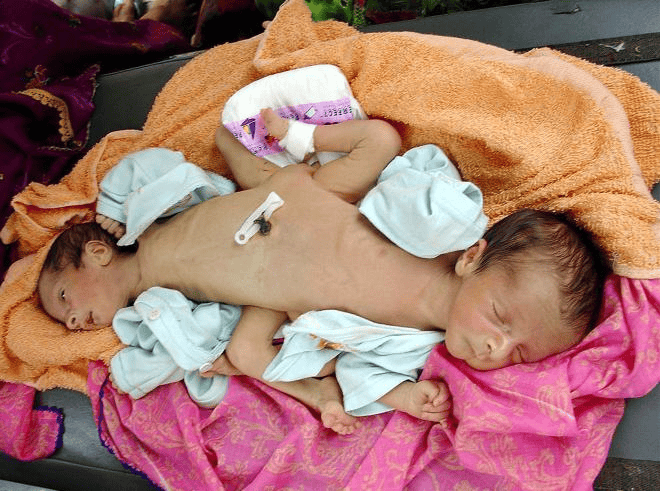
#9 Conjoined Twins
Twins are good, but more or less, you'll pray that they don't come out as conjoined. It is just very painful to look at them like this.
#8 Hyperlordosis
In case you don't know what Hyperlordosis is, it is a situation where the lower back region is curved out a bit more than normal. It can cause you muscle pain as well.

#7 Hypertrichosis
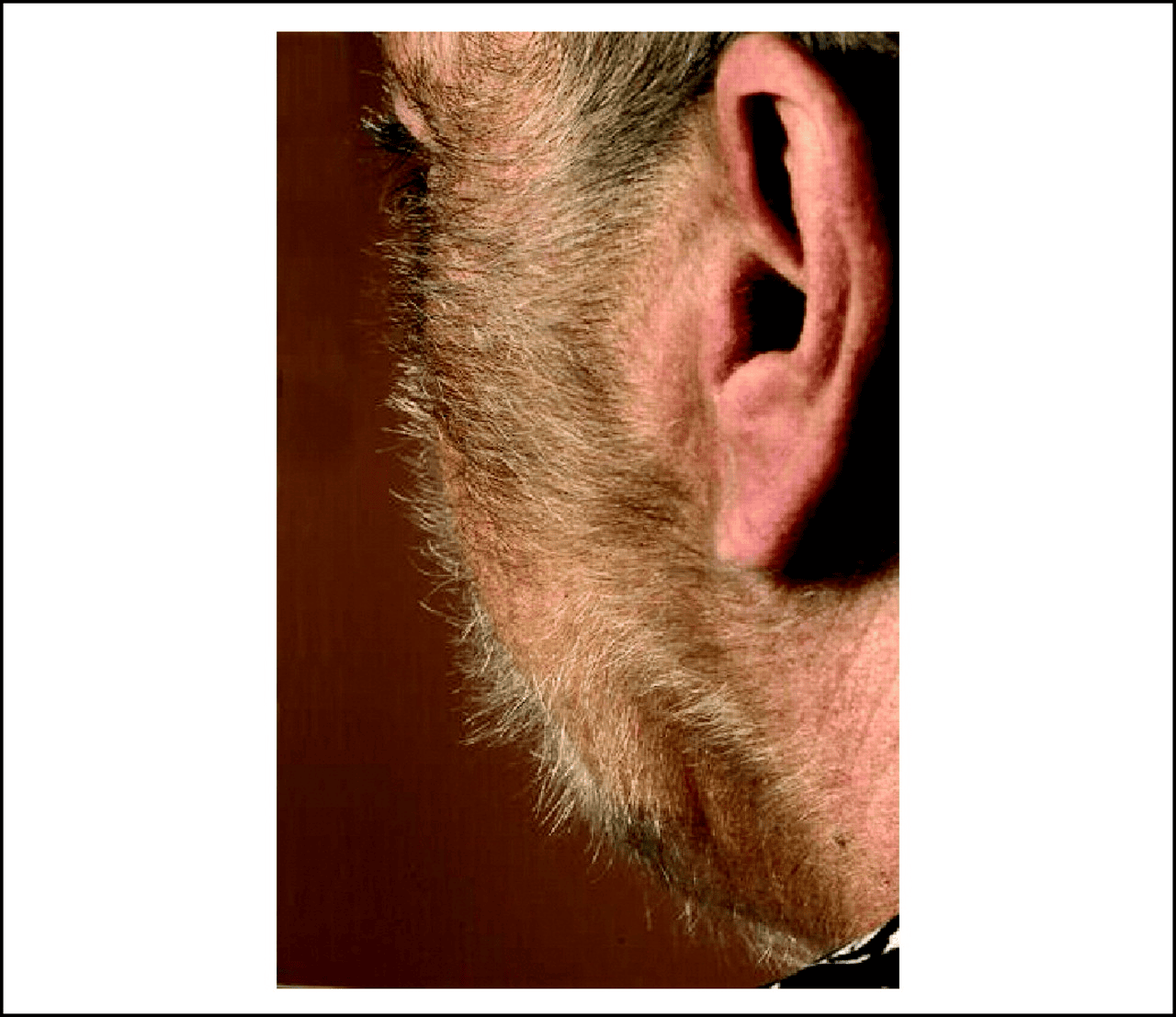
Hypertrichosis is again a very irritating abnormality. It is a situation where hair grows in such parts of the body where it normally doesn't. Hair either grows on the whole body or in some parts.
#6 Fused Limbs
In this abnormality, your legs are joined in a place near the ankle. It is obviously very difficult to walk in such a situation.

#5 Cyclopia
This is the rarest of rare abnormality you'll find in a new born baby. In this, your child is born with just one eye. I know how you are feeling right now.
#4 Craniopagus Parasiticus
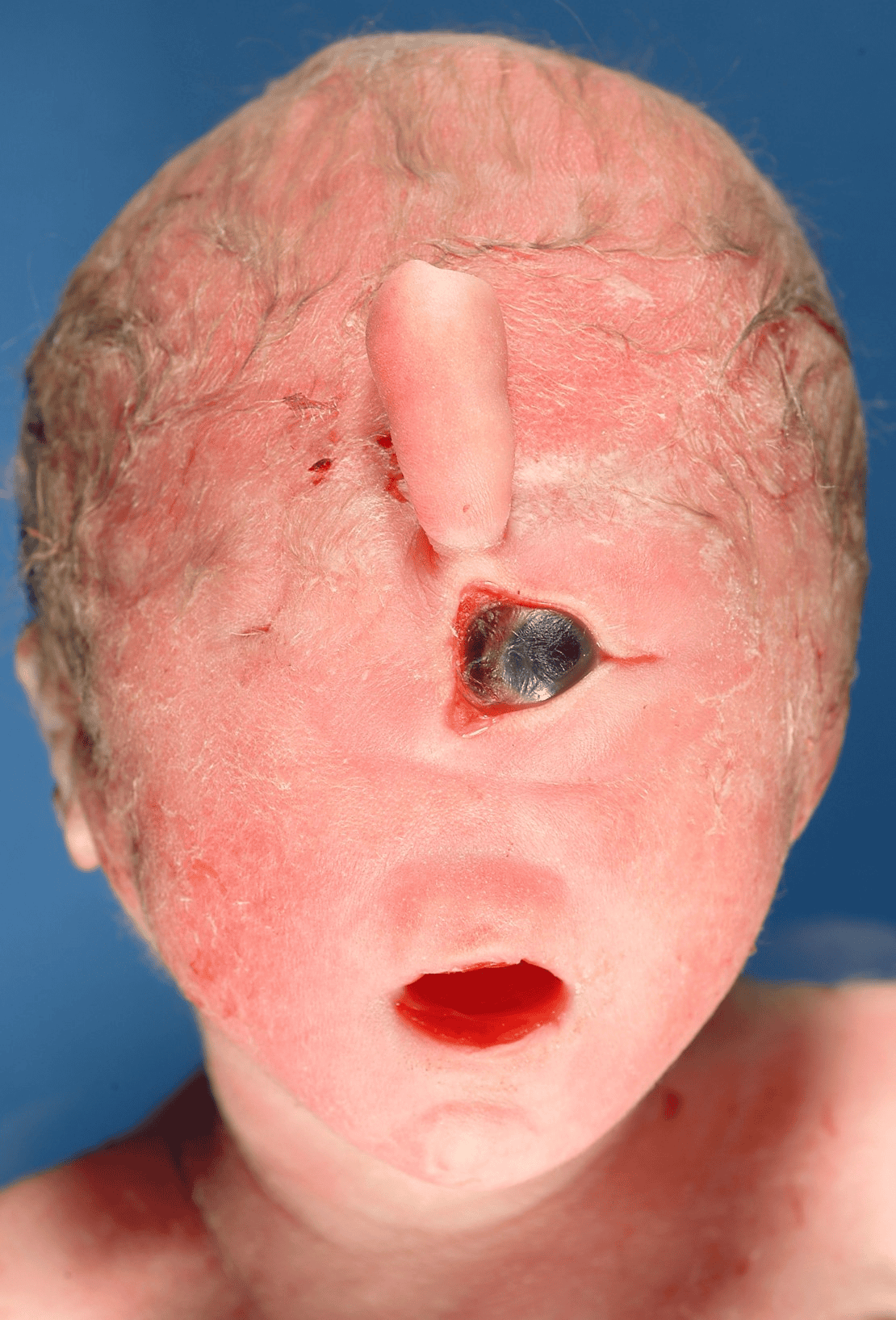
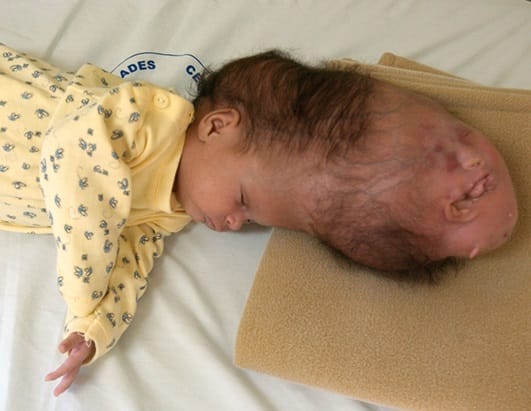
Do not look at this picture for longer period of time. You might just end up puking. This is an extremely rare type of parasitic twinning that occurs in about 4 to 6 of 10,000,000 births. Only ten cases of Craniopagus Parasiticus have been reported till date.
#3 Fibrodysplasia Ossificans Progressiva
Even this is a very rare disorder. It is a disease related to your connective tissues. It is caused by a mutation of the body's repair mechanism, which causes fibrous tissue (including muscle, tendon, and ligament) to be ossified spontaneously or when damaged. In many cases, injuries can cause joints to become permanently frozen in place

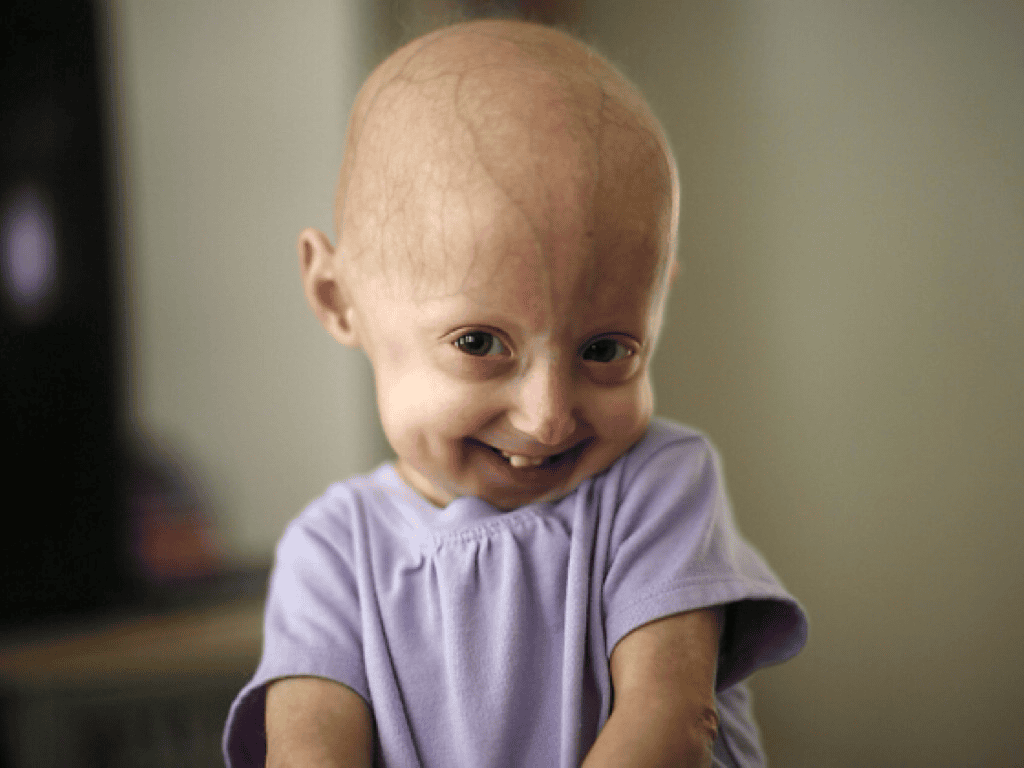
#2 Progeria
This is again a very unfortunate abnormality. In this, the child looks more aged than his/her actual age.
#1 Vestigial Tail
Here, the child is born with a tail that contains no vertebrae, but only blood vessels, muscles, and nerves.