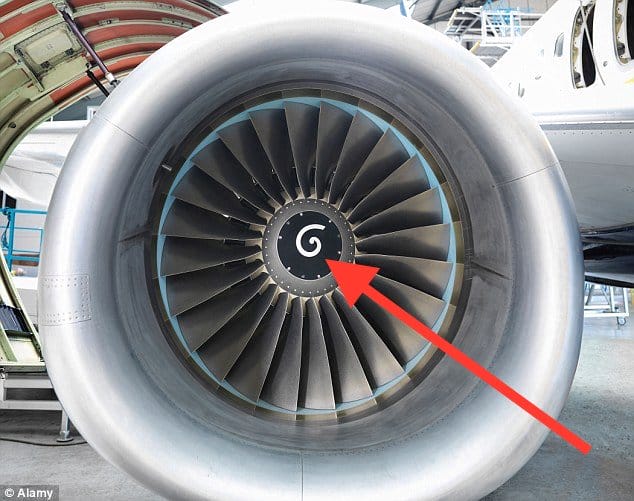
#5 The White Spiral
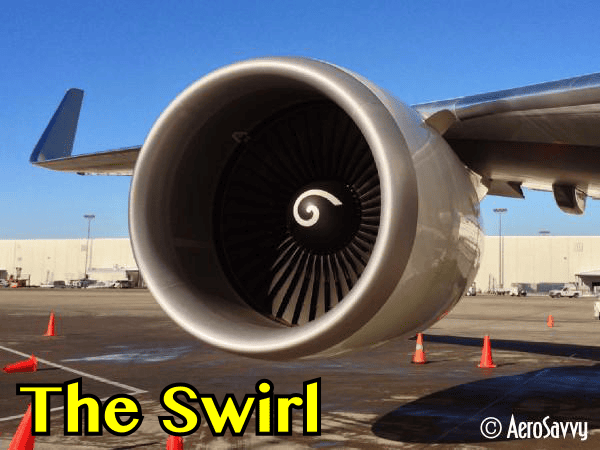
I am sure that 90% of you must have travelled in an airplane and must be aware of every visible part of it. So you must have also observed that white whirl residing at the centre of a plane’s engine below the wings. You haven’t ? Well, today we will be telling you the reason of it’s existence.
The white whirl is also identified as nosecone spirals, spinner spirals, spinner whirl and even nosecone whirl.
#4 The Various Parts
More often we don't pay attention to the minutest details of the aeroplane! But the technicians and engineers who have designed these aircraft are way more superior to our intellect!
If you thought that these white spirals are purely for the design purpose, then you're really wrong!

#3 The Reason
Since nothing in this universe exists without reason, these white whirls also have a particular reason. When asked about this, a Boeing spokesman told that these white swirls provide two main principles; one is to alert the birds from colliding with the turbofan, and the other is to spot when the engine is rotating.
But even these two theories have been refuted! Read on to know the truth behind these facts!

#2 Different Measures
Although, a few people repudiate the "battling off birds" hypothesis. For instance, this article in Boeing's own Aero Magazine which was co-composed by a Ph.D. in Aviation System Safety and a security pilot says in its "Common Misconceptions About Bird Strikes" area that "airplane hues and fly motor spinner markings don't help in repulsing the flying creatures."
According to the New York Times, a Japanese airplane company came up with a new idea of preventing bird strikes by drawing an eye on Boeing 747 & 767.
Norway attempted another measure by drawing zebra-patterns on the propellers.
#1 The Reality
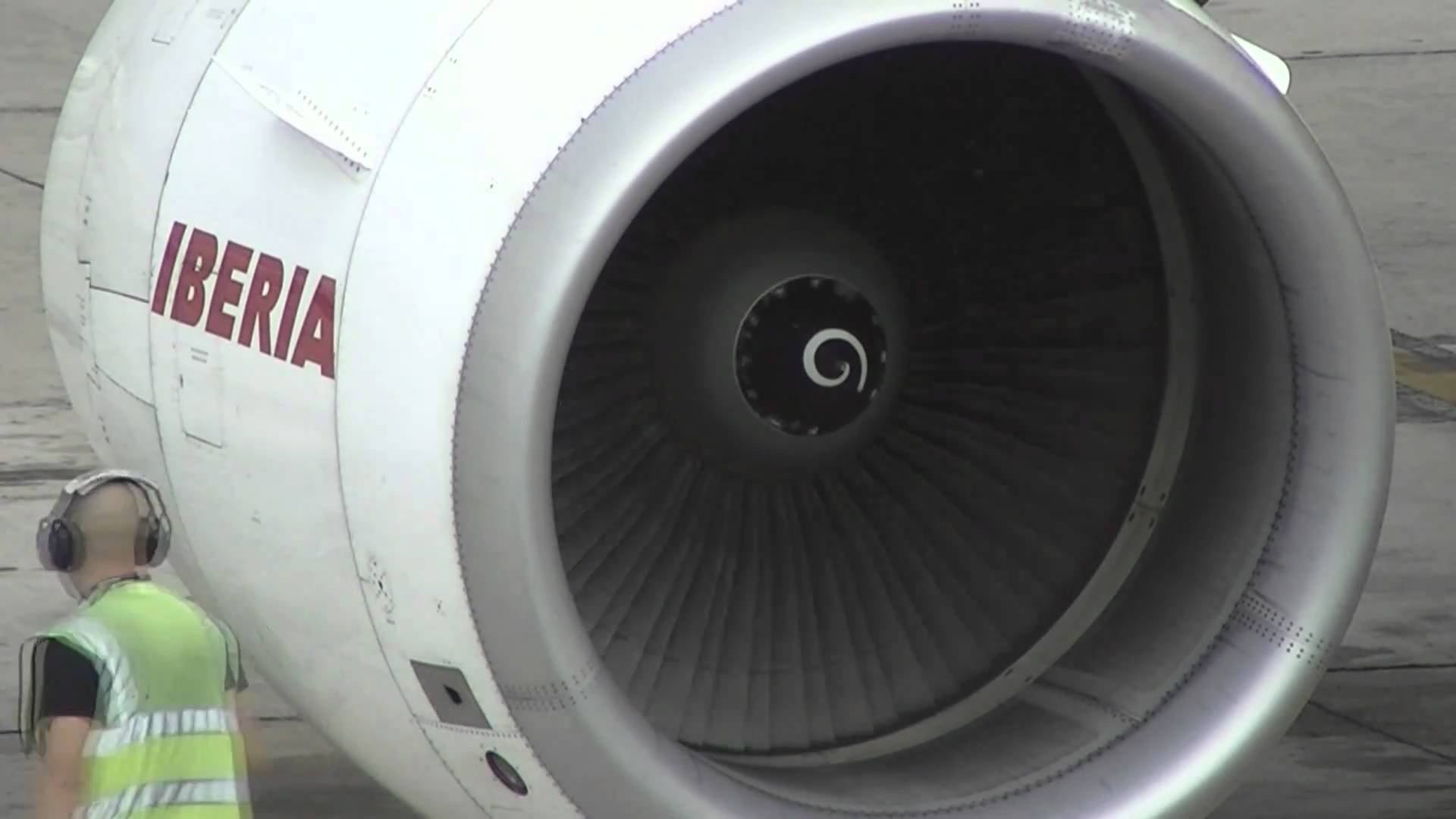
The basic aim of using the white whirls is to caution the ground team that their motor is as yet pivoting so that the individual de-icing or playing out any support on the plane doesn't get into the hazardous domain and get sucked into the admission.